What an “Allowance” in Your Remodeling Estimate Actually Covers, and Why Two Bids Can’t Be Compared Until You Know

An allowance is a placeholder budget in a remodeling estimate for something you haven’t picked yet. Tile, plumbing fixtures, light fixtures, cabinet hardware and appliances are the usual examples. The contractor sets a number so the bid can be priced before every finish is chosen. Once you make your selection, the final cost is adjusted up or down against that number.
That sounds simple. The problem is that allowances are one of the main reasons two bids for the same kitchen or bathroom can look far apart, or suspiciously close. Until you know what each allowance covers, you aren’t really comparing bids. You’re comparing guesses.
Here’s how to read allowance lines, what a complete one should say, and how to line up proposals so the comparison means something.
Allowances, fixed prices, contingency and exclusions are four different things
Most estimates mix several kinds of line items. Telling them apart is the first step.
- Fixed-price items are defined well enough to price exactly. Demolition of a specific bathroom, framing a new wall to plan or installing a known cabinet line usually falls here.
- Allowances are budgets for items you’ll select later. The contractor is estimating what you’re likely to choose.
- Contingency is money set aside for conditions nobody can see yet, like what’s behind the plaster or under the floor. It isn’t about your choices. It’s about the house.
- Exclusions are things the bid doesn’t include at all. Permit fees, appliance installation, painting adjacent rooms or patching outside the work area are common ones.
A bid that looks low is often low because work has moved out of the fixed-price column into allowances, contingency or exclusions. The total on page one doesn’t tell you that. The line items do.
Why a low allowance makes a whole bid look cheaper
Allowances are set by the contractor, and nothing requires them to be realistic. One bid might carry a tile allowance that would cover a basic porcelain field tile. Another might assume a handmade or large-format tile closer to what you’ve been saving on your phone. Each is a reasonable number for a different bathroom. Only one of them is your bathroom.
If the low allowance wins the job, the gap doesn’t disappear. It shows up later as an overage when you make your actual selection. That’s not necessarily dishonest. It is a pattern worth recognizing before you sign, because it shifts cost from the bid you compared to the change orders you didn’t.
The fix isn’t to assume the higher allowance is the better contractor. It’s to make the allowances match before you compare totals.
What a complete allowance line should state
A useful allowance line answers six questions. If a bid doesn’t answer them, ask.
- What exactly does it cover? "Tile allowance" could mean shower walls only, or shower, floor and backsplash. The scope of the allowance matters as much as the number.
- Is it material only, or material and installation? This is the most common source of confusion. A mosaic, a herringbone pattern or a large-format slab tile can cost more to install than a standard tile at the same material price. If the allowance is material only, labor for a harder layout may be added later.
- How is it measured? A per-square-foot allowance and a lump-sum allowance behave differently when the layout changes or waste factors grow.
- Who buys it? If the contractor purchases, ask whether a markup or handling cost applies. If you purchase, ask who’s responsible for checking quantities, receiving deliveries and handling damaged pieces.
- What happens when you go over or under? Ask how overages are documented and whether unused allowance comes back as a credit.
- When is the selection due? Allowance items have lead times. A selection deadline tied to the schedule keeps a late decision from becoming a delay.
The same questions apply to plumbing fixtures and lighting, where trim kits, valves, drivers and mounting hardware are easy to leave out of an allowance that seems to cover "the faucet" or "the pendants."
Allowances cover your choices. They don’t cover your house.
This distinction matters more in older homes, and Marin County and San Francisco have a lot of them.
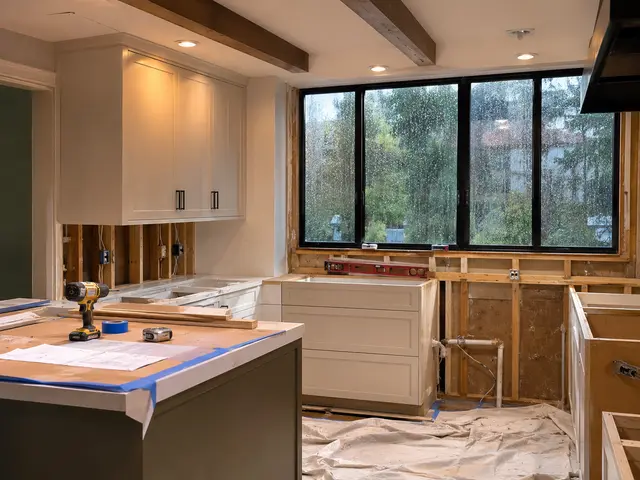
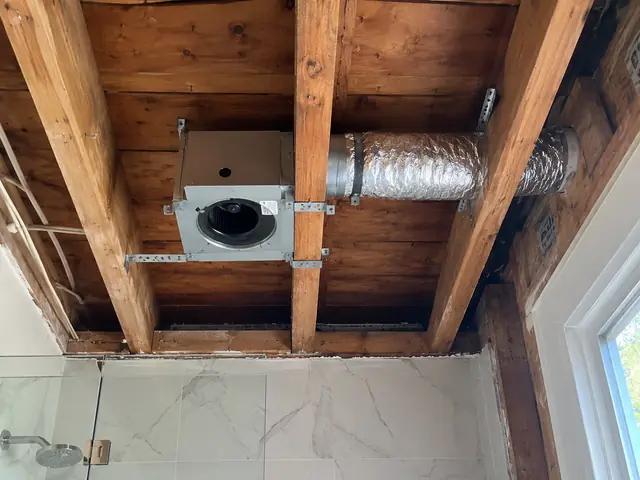
An allowance can’t account for a subfloor that needs leveling, galvanized supply lines, old wiring or moisture damage behind a tub surround. Those are existing conditions, and they’re usually handled through a contingency, unit pricing or a written change order once the condition is uncovered. If you’ve read about remodeling an older San Francisco home, or our posts on moisture management and vapor barriers and flooring options for uneven subfloors in older Marin homes, you know how often the house sets part of the budget.
When you compare bids, look at how each contractor handles the unknowns, not just the finishes. A bid with no contingency and no explanation of how hidden conditions will be priced isn’t cheaper. It’s quieter about risk.
How allowances affect the schedule
Allowance items are often the long-lead items. Custom vanities, specialty tile, shower glass and some plumbing fixtures can take weeks to arrive. If a selection is still open when demolition starts, the project can stall waiting on it.
Good bids connect allowances to the schedule. They say which selections are needed before work begins and which can wait until rough-in or later. If you’re planning a bathroom, our post on how long a bathroom remodel actually takes explains where these waits tend to fall.
How to compare three bids that don’t match
You don’t need to become an estimator. You need a simple way to put every bid on the same footing.
- List every allowance from every bid side by side. Note the amount, what it covers and whether it includes installation.
- Pick one number per category and ask each contractor to price against it. Better yet, if you’ve already chosen key finishes, give every bidder the same selections.
- Compare exclusions line by line. If one bid includes permit fees and another excludes them, adjust before comparing totals.
- Look at how each bid handles hidden conditions. Contingency, unit pricing or a clear change-order process are all reasonable. Silence isn’t.
- Compare payment schedules. In California, payments generally can’t run ahead of the work performed or materials delivered, and down payments are capped. The CSLB’s contract guidance explains the rules.
Once the allowances match, the remaining difference between bids reflects scope, labor, management and approach. That’s the comparison you actually wanted to make.
Questions to ask before you sign
- Which items in this bid are allowances, and how did you set each amount?
- Is each allowance material only, or installed?
- If you purchase an allowance item, is there a markup or handling cost?
- How will overages and unused allowance be documented and billed or credited?
- Which selections do you need from me before demolition, and by what date?
- How will hidden conditions be priced if you find them?
- What’s excluded from this bid?
A contractor who answers these clearly before the contract is signed will usually communicate clearly once the walls are open.
A note on contracts in California
This post is general education, not legal advice. California’s Contractors State License Board publishes consumer guidance on home improvement contracts. According to the CSLB, home improvement projects over $500 require a written contract with a payment schedule. Down payments are limited to $1,000 or 10 percent of the contract price, whichever is less. Changes to the contract should be made in writing through change orders. For details, see the CSLB’s Consumer Guide to Home Improvement Contracts. You can also verify any contractor’s license through the CSLB. If you have questions about a specific contract, talk to an attorney.
Next step: walk through a bid before you choose
If you’re collecting bids for a kitchen remodel or a bathroom remodel in Marin County or San Francisco, we’re glad to walk through how our estimate is built, line by line, including what each allowance covers and how we handle conditions we can’t see yet. For larger projects that touch several rooms, see our whole-home remodeling services.
Frequently asked questions
What is an allowance in a remodeling estimate? An allowance is a budgeted amount for an item you haven’t selected yet, such as tile, fixtures or lighting. The final cost is adjusted up or down once you make your choice.
Does an allowance include installation? It depends on the bid. Some allowances cover material only, and others include installation. Ask, because a complex tile layout or specialty fixture can raise labor even when the material price stays within the allowance.
What happens if I go over an allowance? The difference is usually added to the contract through a written change order. Ask each contractor before signing how overages are documented and whether any markup applies.
Do I get money back if I spend less than an allowance? Often, yes, as a credit. The contract should say how unused allowance is handled, so confirm it in writing.
Is contingency the same as an allowance? No. An allowance covers items you’ll choose later. Contingency covers conditions nobody can see yet, like water damage or outdated wiring behind a wall. Older homes often need both.
Resources
- What is a Contract?, California Contractors State License Board
- A Consumer Guide to Home Improvement Contracts, CSLB (PDF)
- Consumer Resources and License Check, CSLB